Kathmandu: Senior lawyer Aidukumar Khanal has said that the legal and practical justification for the controversy over the validity of the Nepali Congress’s special convention has ended. He mentioned that the organizational process that started with the special convention has reached the regular convention, and the list of the central working committee formed from it has already been updated by the Election Commission, so the old controversy no longer has a reason.
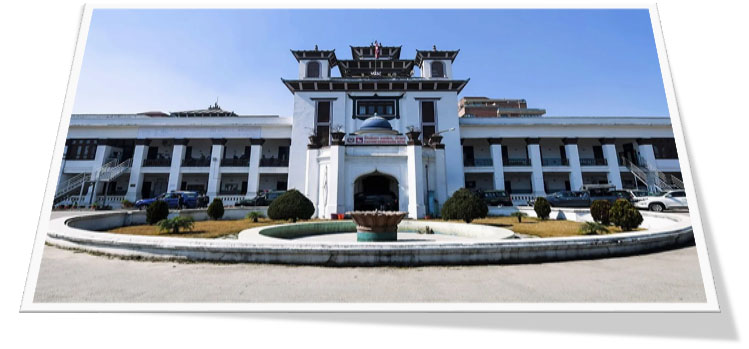
According to Khanal, as per Section 51 of the Political Parties Act, 2073, the Election Commission has updated the list of the central working committee formed from Nepali Congress’s regular convention and has sent the related documents to the party’s central office in Sanepa.
He said that this is not a temporary or informal arrangement, but a regular legal process to update a political party’s organizational changes in the official records. Khanal argues that once the new organizational structure has been established, the practical and legal justification for past disputes over whether a special general convention was valid or invalid automatically ends. He mentioned that the Supreme Court has also emphasized in various disputes that when the fundamental circumstances of a case change and the basis for a claim ceases to exist, the purpose of filing the case no longer remains and the case becomes pointless. In this dispute too, he says, the same principle applies based on the latest organizational and legal situation.
Khanal has said that continuing the controversy over the legitimacy of the special convention would just be an attempt to keep past disputes alive. He argues that now that the regular convention has been held and the new central committee’s list has even been updated by the Election Commission, the justification and purpose of the dispute pending in court should be considered over.
Khanal has suggested that the Nepali Congress should now rise above past controversies, accusations, and factional demands, and focus on unity and strengthening the organization. He also recommends that the party must put all its energy into facing future political challenges.
He believes that in politics, it’s more important to focus on consensus rather than disputes, organization rather than individuals, and building the path for the future rather than getting stuck in past controversies.