Waling, Syangja: emonstrating how local governments can take the lead in advancing One Health, Waling Municipality celebrated World One Health Day 2026 under the theme “One Health Dialogue: From Community to Policy,” connecting community awareness with multisectoral collaboration, local policy implementation, and collective commitments.
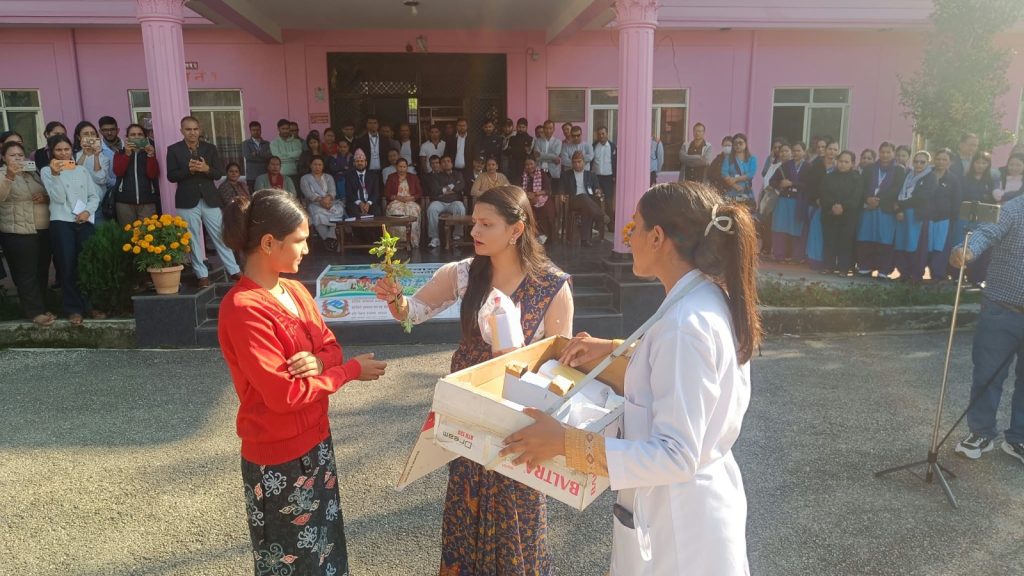
Organized by Waling Municipality with technical support and coordination from Heifer International Nepal, Diyalo Sanstha, Nepal One Health Institute, and Waling Multiple Campus, the event began with a student-led awareness rally through Waling Bazaar, followed by an engaging street drama performed by students of Waling Multiple Campus.
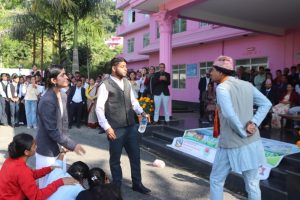
The street drama highlighted interconnected local One Health challenges, including zoonotic diseases such as rabies, antimicrobial resistance (AMR), indiscriminate pesticide use in vegetable production, and food safety risks associated with vegetables, milk, and meat. It conveyed a powerful message: Human, animal, plant, and environmental health are deeply interconnected, and safeguarding one requires protecting them all through shared responsibility and collective action.
Street drama highlighting pressing One Health issues in the community
From Community Concerns to Multisectoral Dialogue
Following the street drama, a journalist-moderated One Health Dialogue brought together municipal leaders, provincial and district-level government officials, technical experts, farmers, cooperatives, and community representatives to discuss local challenges, practical solutions, shared responsibilities, and coordinated action.
The discussion featured Waling Mayor Krishna Khand, Deputy Mayor Kavita Tiwari Gaire, Municipal Public Health Officer Kamal Pandey, Dr. Rajesh Chaudhary from Gandaki Province’s Ministry of Agriculture, Land Management and Cooperatives, Nepal One Health Institute Secretary Sankalpa Bhattarai, Narayan Prasad Pathak from the Agriculture Development Office, Syangja, and Sudip Regmi, Chief of the Agriculture Development Resource Centre.
The dialogue emphasized the need for stronger coordination among human health, veterinary, agriculture, food safety, and environmental sectors to address interconnected community health challenges.
A major outcome was the adoption of the seven-point “Waling One Health Declaration 2083,” expressing collective commitments to One Health policy implementation, multisectoral collaboration, zoonotic disease prevention, responsible antimicrobial use, safe agricultural practices, food safety, community participation, and continued coordination and monitoring.
A Replicable Model for Local Governments
Having already endorsed a One Health policy and implementation guidelines, Waling Municipality has taken an important step toward translating policy commitments into community-level action.
The initiative offers a practical and replicable approach for other municipalities across Nepal: Identify local One Health challenges, engage communities, establish supportive policies, facilitate multisectoral dialogue, and translate collective commitments into coordinated action.
It also highlights the importance of integrating One Health into local government policies, annual plans, and programs to strengthen community health, sustainable agriculture, safe food systems, and environmental protection.
The message from Waling is clear: One Health does not have to begin at the national level. It can start in communities, gain momentum through local government leadership, and become part of everyday governance.
The next step is to translate the Waling One Health Declaration into measurable actions, ensuring that this locally led initiative creates lasting benefits for communities while providing valuable learning for other municipalities across Nepal.