






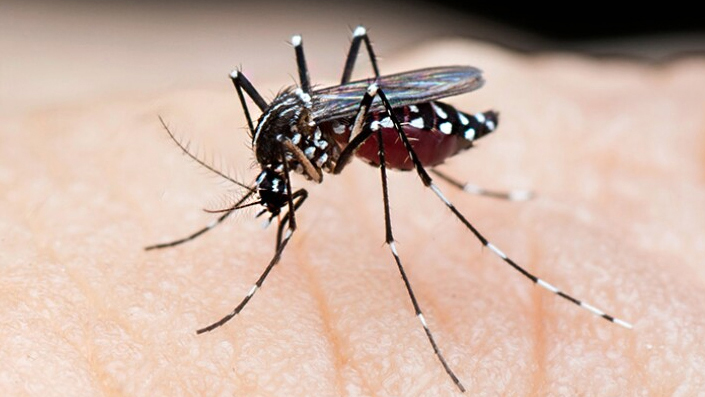
Kathmandu. The mayor of Kathmandu Metropolitan City, Balendra Sah (Balen) has appealed to destroy the habitat of mosquitoes that transmit dengue disease. He stated that the mosquitoes that spread this infection live in clean water. He said that the water that collects on the road, potholes in the road box, the pots in the garden, the water that collects in the pots, tires, the house terrace, and the veranda are where the number of mosquitoes increases. He has requested not to keep water in the same vessel for long.
Mayor Sah’s appeal is to make efforts to prevent the spread of the disease, to be aware of the epidemic disease, and to support the programs conducted by the Metropolitan City, as the efforts of the Kathmandu Metropolitan City alone cannot prevent the disease.
The Metropolitan Municipality is conducting a planned program to protect the residents of the city from dengue. During this process, 269 awareness rallies have been taken out at the ward level. Every Wednesday from 8 am to 9 am, a campaign to find and destroy larvae has been launched in the ward. Medicines are sprayed in such places. For this, the health workers of the Urban Health Promotion Center, ward people’s representatives, women’s health volunteers, representatives of local associations and clubs, city police, and employees will be deployed in this campaign.
There is a program among the students studying in government and institutional schools to spread awareness about the infection to the parents by exhibiting paintings related to dengue disease and showing the best art about the illness, to reward the students and the school. Past practice shows that the infection rate of this disease is high during the rainy season until the months of Srawan, Bhadra, Shoj, and Kartik.
During this period, the metropolis has launched a 24-hour hotline 1180 to provide telephone consultation about dengue disease (symptoms, treatment, precautions). If you need to go to the hospital, you can contact the 102 number and use the free ambulance.
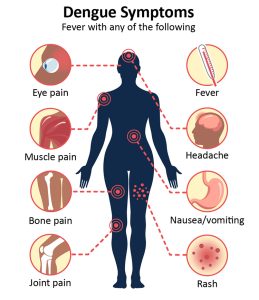
Cetamol, Jeevan Jal, and other necessary medicines for the treatment of dengue disease have been provided in sufficient quantity in the health promotion center. When the mosquito hatches from the eggs laid by an infected Aedes mosquito, it becomes an adult and bites a person, causing dengue disease. Usually, within 4 to 7 days after being bitten by an infected mosquito, symptoms such as high fever, nausea, feeling very weak, not wanting to eat, and stomach ache appear.




Add Comment